Holiday cottages and self catering in the UK (England, Scotland, Wales and Ireland)

The holiday blog for holiday-makers and cottage owners

Archive for the ‘ Property Owners ’ Category

Are you missing out on enquiries? 7 tips for holiday letting in today’s climate.

We have found that over the past ten years of letting holiday cottages, booking patterns change year on year and this year is no different!

The current financial climate is influencing peoples’ spending patterns and is most certainly impacting upon the holiday rental market. Booking trends are much more last minute than previous years; there is an increase in demand for short breaks all year round and holiday makers are really shopping around for the best deal. With the number of holiday cottages available, holiday makers have a huge selection of holiday accommodation to choose from and can afford to be selective.

On the flip side of the coin, UK holidays and short breaks lend themselves well to the current climate and the ‘last minute’ nature of the business. At Independent Cottages, the first three months of the year have been incredibly buoyant with increased traffic volumes in excess of 30%, along with an increased level of enquiries being sent to owners.

So what do you need to do to make sure you get your fair share of enquiries and bookings?

  • Flexibility – The more flexible you can be, the more likely you are to secure bookings. More and more people are looking for short breaks during the peak season with many wanting flexible changeover days.  Whilst many of us prefer to only offer short breaks in the quieter months, there are plenty of owners out there now offering them all year round so if you want to increase your booking levels, you may need to also offer them during the busier months.
  • Be competitive – The cost of running a holiday cottage is ever increasing, yet this year is probably more price conscious than ever before. It is frustrating having to reduce your rates, particularly when your costs are continually rising. However, unfortunately you may need to make your rates as attractive as possible to ensure you gain a good level of bookings.
  • Who does your cottage appeal to? The wider the audience your holiday cottage appeals to, the more bookings you are likely to gain. A sizeable percentage of the current UK holiday rental market falls into the 20’s and 30’s category and whilst many of them seek ‘old fashioned’ charm, this often starts and ends with the bricks and mortar! A period traditional holiday cottage has a high level of desirability; however, a ‘chintzy’ dated decor is often not appealing to the younger generation.  To appeal to the widest possible audience, you would do well to let the wonderful period features speak for themselves and compliment them with a fairly neutral décor that has a wide appeal to all.
  • Facilities – The more you can offer for the money, the more likely you are to gain bookings. People now generally expect a holiday cottage to offer all the facilities that they have at home and with the price of many electrical items being so cheap these days (e.g. DVD players, CD players, iPod docking, flat screen televisions etc), there really is no excuse not to provide them. We have also found that holiday cottages offering internet access on our site have a higher level of bookings!
  • Pets – Whilst accepting pets comes with added risks and responsibilities, it can increase your bookings, particularly out of season. If you find yourself short of bookings, it may be worth assessing whether your holiday home lends itself well to accepting pets.
  • Discounts for under occupancy – It requires less organisation (and cost!) for couples to take a holiday or break. If your holiday cottage sleeps more than two, why not consider advertising a discounted rate for couples or under occupancy. You often get less wear and tear on your cottage and it may help to secure some extra bookings.
  • Work smart – Many of us cottage owners prefer to rent our holiday cottages independently, if only to save on agency fees. However, agencies charge fees for a very good reason … because it takes effort, successful marketing and considerable work to gain a high level of occupancy all year round. We always recommend that owners advertise on a number of good websites to ensure they gain a good level of exposure and bookings. Whilst this year may be tougher financially, it is not the year to be cutting back on advertising and it is a year when you need to work harder as an owner than ever before.

There are lots of people choosing to self-cater in the UK this year and the more attractive, appealing and flexible you make your holiday home, the more likely you are to be successful.

April 5th, 2012  in Property Owners No Comments »

Turn Lookers into Bookers – How Much and is it Available?

Imagine that you are buying a new computer from your favourite online store. You research the new computer’s features; compare specs; look at the pictures; read the reviews.  You decide that, if the price is right, you’ll by it.  But when you look for the price you see a message: ‘Enquire With Seller’.  “Hmmm”, you think to yourself,  “OK  before I enquire is it in stock?”. Again you are told: ‘Enquire With Seller’.  So the key question is this, do you persevere and make the online enquiry, or do you move on to another product or site?

Nowadays, more and more online shoppers and browsers expect to see pricing and availability information.  Holiday makers regularly book hotels, flights and holidays online so they reasonably expect to see basic pricing and availability information for self-catering holiday cottages. Research has shown that Internet users are pretty lazy and fickle. They don’t even like to scroll down a page, let alone go to the effort of making an enquiry as part of the pre-buying process.

But, let’s face it; it’s a bit of a drag keeping our calendars up-to-date. Especially if, like many owners, you have more than one property and even more so if you advertise on a number of sites.  Pricing too can be a bit of a chore.

However as independent holiday cottage owners, we can’t have our “no agency fees” cake and eat it.  And, as independent owners, that’s who we are competing against, the agencies and other providers who supply clear pricing and availability information. We are hiding our lights under bushels too if we don’t put clear pricing information on our calendars as we’re often cheaper than agencies!

We hear many objections to keeping calendars and prices up to date:

  • “I’m too busy…” – Well, you’re going to have a lot of spare time on your hands if you don’t get any bookings!
  • “It takes too long to update prices…” – Certainly the time consuming part is deciding on your pricing strategy for the year. However, once my prices were worked out, I timed myself updating the prices for a cottage.  Each week had a different price (i.e. 52 prices), some weeks required comments for half term etc.  In total it took me 1 minute 45 seconds and that included logging in.
  • “I’ve got too many calendars to update” – This can be a problem but there are ways to consolidate your calendars.  For example, if you have your own website, you can embed your Independent Cottages calendar into your own website with one simple line of HTML. That way, your website is always up-to-date. Full instructions are available on the owners’ login page, or contact us for more details.Also, you might want to consider using a centralised booking management system such as http://holiday-bookings-online.com/.  As well as managing the enquiry and booking process, they also provide advertising sites such as ourselves with a daily feed that automatically synchronises owners’ availability calendars. So all your calendars can be updated from a single source.
  • “I like to leave my pricing flexible…” – This is a very valid point. In today’s market holiday makers expect a deal, expect to haggle. If you are happy with your levels of enquiries and bookings, then there is no real need to change your approach.  However, if you do have some weeks to fill, the benefit of advertising with a site like Independent Cottages is that you can try things out to see what works best.  As we don’t print brochures, prices needn’t be fixed. Consider adding some prices to your availability calendar and monitor what happens.

There are other benefits to keeping your calendar up-to-date.  What’s the point of receiving enquiries for dates that are already booked?  It frustrates holiday-makers and makes owners unnecessarily busy.  You will receive fewer enquiries overall, but they will be more targeted and more likely to convert.


March 6th, 2012  in Property Owners No Comments »

A guide to setting up your holiday cottage – Part 1

In our new guide, we talk through setting up your holiday cottage ready for guests.  Part 1 covers some hand tips around furnishing your property.

Part 1: Fixtures, fittings, fabrics and furnishings

Ultimately the choice of decor will be yours, but do think of your target market when making decisions.  It is difficult to be all things to all men, so consider who is likely to use your cottage. For example children and dogs think washable paints, but a romantic cottage for two can be more elegant. Think about colours that will photograph well too.  Dark colours can appear drab and lacklustre when photographed (unless it’s a dining room). Light, bright, clean, fresh colours work well. Neutral colours are likely to have wider appeal. Buy more paint than you need so that you can touch up marks left by suitcases and grubby paws (both human and animal). Be prepared to freshen up the decor regularly too.

Choosing linen, towels and tea towels that are similar in colour can be a great time saver for turn rounds as they can all be washed together.  When we started out we had white linen but navy blue tea towels meaning two washes!  Tea towels are one of the most abused items in a holiday cottage so make sure that you have plenty of spares. Good quality linen can be obtained at reasonable prices from shops such as John Lewis and Laura Ashley during the sales. Ikea too can be good for cheap, “disposable” tea towels.  But, wherever you decide to get your linen, make sure that you get plenty of spares.

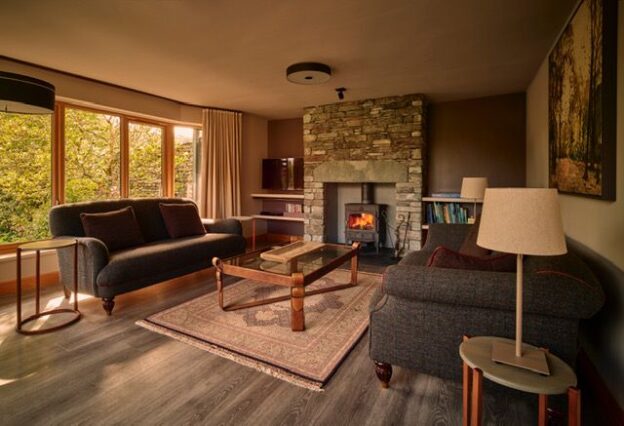
If your cottage has room for a log burner, it may be worth the investment. It will add extra weeks onto your winter bookings.

Kitchen

Try to resist the urge to kit your cottage out with castoffs from home.  We’ve stayed in cottages where we couldn’t find two matching plates!  People expect matching crockery and glassware and with supermarket prices so low, there really is no excuse.  Buy more than you need for spares and breakages, especially if you are buying end-of-range crockery in the sales.

When buying appliances, think “robust” and you won’t go far wrong.  The old saying “buy cheap, buy twice” couldn’t be more appropriate for holiday accommodation.  If it is cheap and flimsy it will get broken, and it will break on a Saturday night and, just as you’re sitting down to watch TV, the phone will ring.  Buy the most robust electrical goods you can with the fewest number of settings and knobs. Complicated washing machines are also likely to generate late night phone calls from confused guests.   Washer dryers are handy too and will be appreciated by foreign guests who pack lightly to reduce luggage weight.

Buy new appliances (rather than second hand), you’ll get a warranty and peace of mind – currently, brand new appliances don’t need to be PAT tested for 12 months, which is useful to know. You may well also find that when things break, it’s easier to just replace them rather than repair them.  When you factor in the cost of the call out and repair plus the hassle of arranging the visit (not to mention the disruption to guests), it is often easier to replace with a new item. It is worth considering this when being asked if you want to buy the 3 year extended warranty at the checkout.

If you accept dogs, consider leaving out a water bowel. If the owner forgets to pack their dog’s bowel, you don’t really want your new matching John Lewis bowels to be used!

By far the best investment that we have made to out cottages is the addition of a dishwasher.  Before the dishwasher, we would often have to re-wash up crockery that was left ‘clean’ by the previous guests. Not only has the number of “sticky glasses” reduced, but turn rounds are just that little bit easier too.

Living rooms

Old furniture can be uncomfortable and runs the risk of not being fire retardant. So new is best. We tend to choose darker ‘red wine’ coloured settees for obvious reasons. Consider washable removal covers for sofas and armchairs plus an extra set for the odd emergency. Some manufacturers allow additional arm caps to be purchased for a modest fee, well worth it in our view.

Small occasional tables near the sofa will help prevent people leaving glasses of red wine on the carpet. A stock of coasters will also help prevent rings and glass stains.  Not everyone will use them, but some will.

Also try to avoid clutter and ornaments. People don’t want to feel like they are staying in somebody else’s house.  So, if you find yourself thinking “hmmm I don’t really like that china dog any more, I think we’ll put it in the cottage” – resist!

Guests often expect the facilities to be the same, if not better, than at home. These include modern televisions, DVD and CD players and possibly satellite television and iPod docking. Internet access has become a necessity rather than a nice-to-have and will secure you extra bookings.

Bedrooms

Shop about for the best prices when it comes to bed linen and ideally buy pure cotton.  Crisp neutral colours such as white or cream look good and remember you will need at least two sets so that one can be laundered whilst the other is in use. It is surprising how pillowcases and duvet covers can get marked and stained, so a washable bed throw cannot only prevent this but also dress the room when not in use.

Pillow and mattress protectors are a must, but try to avoid the ‘sweaty’ waterproof style as they can be quite uncomfortable for guests.

If you can spare the room, king size beds are often desirable with guests. Zip and link beds are useful too as owners broaden their market by attracting families and couples by changing bedroom configuration from doubles to twins.

Ensure guests have adequate storage room and make sure they get a good night’s sleep by providing a comfortable mattress, quality curtains that block out the light and an alarm clock! It is also useful to provide hairdryers, mirrors and plenty of coat hangers.

Bathrooms

Many owners provide towels for guests (at least one hand towel and one bath towel per guest), along with a floor mat and again ensure you have spares. Guests will expect to find a pedal bin (with liner) in the bathroom, along with a toilet brush (ideally an enclosed one with changeable heads so you can keep it fresh & clean). We have found that guests really appreciate being left a toilet roll. Nice extra touches also include liquid soap and hand cream dispensers at the sink, cotton wool in a jar and bubble bath for a relaxing soak!  It is advisable to leave cleaning products for guests use and shower curtains can get grubby so buy the cleanable kind and keep a spare to change when required.

The Garden

Grass can be a problem. In the summer it needs cutting every week. Obviously you need to work around your personal situation, but a paved / gravel / decked patio is a maintenance free alternative to grass.

If you can afford expensive wooden furniture then all the better. However, the cheaper so-called ‘hardwood’ furniture sold by DIY stores tends to rot very quickly if left out all year. Places like Argos sell reasonably priced aluminium style garden furniture with either a modern or classic look. We have found these to be rot, rust and hassle free.

Also consider a sun umbrella, BBQ and possibly sun loungers for guests to relax on a sunny day. You’ll probably end up replacing the BBQ every year or two regardless of how much you spend.

Plant tubs brighten up a garden / patio area but remember, they need regular watering during the summer and guests generally forget to do this. Just putting a small potted flowering plant on the garden table can brighten up the patio area during the winter months when everything can look rather drab.


February 1st, 2012  in Property Owners No Comments »

5 Self Catering Predictions for 2012

A good year for UK self catering holidays.

The continuing economic struggle with its loss of high street brands and reports of struggling tour operators and travel agents, may well drive more people to holiday in the UK. Uncertainty with the Euro and perceived instability of Eurozone countries may compound this further.  Bad news for the high street, but good news for owners of self catering holiday properties.  Various reports in 2011 have suggested that more people will opt for a holiday or short break in the UK during 2012 rather than a foreign trip.  Again, very good news for the self catering market.

Last minute bookings are here to stay.

Whilst some families are still fortunate enough to be able to plan and budget for their summer holiday in advance, more and more are likely to ‘wait and see’. This could see the current split between advanced bookings and last minute bookings increasing further. However, the ‘last minute’ mentality could well result in disappointment amongst holiday makers as holiday cottages start to get booked up. To counter this, holiday makers appear to send several enquiries out for properties that they like the look of, with the booking going to the owner who is the quickest to respond. So, for us owners, it’s a case of ‘the early bird catches the worm’.

Customers will expect a discount…

Driven partly by heavily discounted foreign holidays and hotel stays, customers will expect price reductions for self catering holiday cottages. Often, as cottage owners, we are unable to offer discounts, so owners will do well to be prepared to sell the benefits of their property and justify why the guest is in fact getting good value for money. Most holiday makers, although impacted by high fuel prices and cost of living, won’t realise the costs incurred by owners.

Moreover holidays will be taken on a budget, and this could well see a change in behaviour. For example, in order to manage costs, self catering holiday makers are likely to favour cooking and eating in more, so make sure that their needs are catered for and that the kitchen is well equipped, including cookbooks and information on where to buy local produce. Providing information and ideas about inexpensive days out locally will be appreciated too, as will the odd takeaway menu!

… but they won’t compromise on quality or facilities.

Self-caterers, more and more, are expecting to stay in a ‘home from home’. Facilities such as DVD players, widescreen TVs and broadband are no longer differentiators; they are expected as the norm. During 2011, we personally saw an increase in people working whilst on holiday (a ‘workation’ if you like).  Many businesses encourage working from home, and it seems that some holiday makers extend weekend breaks with the view to spending one or two days in front of the laptop. Obviously, these customers need fast and reliable broadband to keep in touch with customers and colleagues. Ensuring potential guests know about mobile phone coverage too may also help attract these customers. Other facilities such as satellite TV or a selection of games will help keep the kids amused whilst mum or dad is on the phone to the office! Mention of local WIFI hotspots and coffee shops might well be a happy compromise if you don’t have broadband.

In 2012 it will be even more important to sell the benefits of your property and / or location, especially if your property is in a remote part of the UK where fuel costs might be a consideration. Up-to-date facilities, clear information about the property and the local area plus clear, large photo’s will help you stand out from the competition.

The 2012 Olympics – An ‘equal’ opportunity for all.

Obviously, locations close to Olympic events should benefit from bookings during the Olympics (27 July-12 Aug 2012) and Paralympics (29 Aug-9 Sept 2012).  But the Olympics are only just over 2 weeks in duration with the Paralympics less than that. So the window of opportunity is smaller than many might think. Also, there are likely to be as many people wanting to avoid the Olympics as there are people actively seeking accommodation to watch their event. Many non-supporters may well avoid the period entirely or seek out areas of the country not hosting any events. So if you’re not located near an Olympic venue, fear not. And in any case, most people are likely to watch the Olympics on TV and you can do that from anywhere.


January 11th, 2012  in Property Owners 2 Comments »

5 key questions to ask yourself before buying a Holiday Cottage

We get a number of phone calls from people who are considering holiday letting for the first time.  It can be a minefield, but if you are considering buying a property for holiday letting here are 5 questions to think about before putting the offer in.

1 – Profit or pleasure?

In our view, this is the most important factor to consider before starting to look for a property. The profit or pleasure decision should be quite easy to make, but there will most likely be an element of both. However, deciding which of the two is more important will help you with other decisions throughout the process.

Pleasure – This group of people generally want a second home / holiday home somewhere that they have always loved.  They will want to use the property themselves at weekends and for holidays. The pleasure people will, of course, want to see a long-term return on their investment, but the decision to holiday let will tend to be just to help finance the project. Ideally the pleasure people wouldn’t let their prized cottage out, but without the financial assistance of holiday makers, the dream would not become a reality.

Profit – By ‘profit’ we really mean people whose primary focus is financial investment. These fall into two categories: The first category is for people who want to purchase a holiday home as a financial, long term investment. They may want to stay at the property themselves on occasion (i.e. an element of pleasure), but the main aim is for the holiday home to pay for itself or even ideally, bring in a small profit to offset mortgage payments by holiday letting. The owner then has a capital asset at the end of the process. The second category is for people who own a second property, or a number of out buildings (for example farms or estates) and want to receive regular income from their properties.

2 – Is it a good location?

This is likely to be easy for the pleasure owners if they’ve always dreamt of a cottage in Cornwall by the sea, or a stone cottage in the Cotswolds. Of course if the property that you want to holiday let is part of your farm, then location is easier still. However, if profit and investment is your main driver, then this will need careful consideration. Many seaside resorts can be very quiet in the winter season.  This is a real shame as walking the dogs along a deserted wind-swept beach in January on a bright sunny winters day is truly exhilarating.  Attitudes are changing, but the reality is that coastal properties can be pretty quiet out of season, so if you are considering one, think about other features that can increase winter lets e.g. wood burner. Centrally located historic towns and villages often have year-round appeal especially if there are log fires, country walks, restaurants, interesting shops and village pubs on offer. If you are planning on equipping the holiday home with spa facilities such as swimming pool and hot tub, then location might be less of an issue. Most types of locations can be marketed, just make sure that you understand the options. Also, consider how close you live to the property. For example, could you drive there and back in a day to replace a broken TV, or will you need to enlist some local support?

3 – Who will it appeal to?

In today’s market, it isn’t really possible to be “all things to all men”.  A young family will have different needs and expectations to a young newlywed couple, who in turn will have different requirements to a group of friends. It is a cyclical process but target market, size of property, type of property and budget need to be reviewed and re-reviewed together. In many cases budget is the deciding factor and, as 1 bedroom cottages tend to be cheaper than 8 bedroom manor houses, your decision might be made for you. If you are buying a holiday home for your own use however, then you will be looking for something that suits your own needs.

Large properties can be lucrative, especially at the luxury end. However, they will not be as attractive to couples. We own a 1 bedroom (2 person) cottage and a 2 bedroom (4 person) cottage very close to each other with a very similar offering. Our 1 bedroom cottage generates slightly more income and lets better than our 2 bedroom cottage. Obviously there are other factors to consider, but the bare facts are (in our case) that the cheaper of the two properties generates more income.  Something to consider if you are looking purely for investment. Smaller properties can often be cheaper to buy, run and maintain.

Another factor to consider is the level of quality that you wish to provide.  Presumably, if you want to use the holiday home yourself you will want to decorate and furnish it to your own tastes, but be prepared to compromise if you are going to let the property out. And remember that not everyone has the same idea of taste!

If you are looking at the luxury end of the market, don’t be fooled into thinking that your guests will be overwhelmed with happiness with their stay at your luxury property. We have found that guests paying top money for a holiday expect the very best (and rightly so), but luxury holiday properties can often receive more complaints than you might expect. At the middle and ‘budget’ levels, it’s down to guest’s expectations and how you manage them. Although outside the scope of this article, all guests from budget to luxury expect the cottage to be clean and tidy. Cleanliness, quality and facilities are three different things.

Another factor for larger holiday homes is the ratio of bathrooms / toilets per guest.  Whilst as a cottage owner you may be willing to share bathroom facilities with other family members, your paying guests may not.  One bath/shower room per 4 people is the minimum, and a separate toilet can be useful too.  You will, ideally, need space for a shower as 4 guests each having a bath before going out will take quite a lot of planning!

Parking is another consideration to factor in.  Whilst not totally essential, you will lose some bookings if off-street parking isn’t provided.  In some areas, especially coastal towns, parking is not an option, but then you are on an even footing with your competition.  If the property that you have set your heart on does not have parking, then just be aware that you may have 1 or 2 extra empty weeks than you would otherwise have had.  Having said that we own a cottage which doesn’t have parking, but the wood burner and central location seems to make up for it, as we have a good level of bookings and repeat customers.

Think of facilities as items on a ‘scorecard’. Parking alone might not be a deal breaker but if your holiday home is also missing other features (such as a view, desirable location, period character / contemporary design, open fires, etc) it will be harder to market.

Whether to accept pets or not is outside the scope of this article. However, if you are planning to accept pets, then you may want to consider whether the property you are considering is suitable. For example, is the local area pet friendly, are the floor coverings hard wearing and is there a secure garden area.

Will the property be easy to resell? If you are entering the holiday letting market for investment purposes, then it is worth considering divestment at this early stage. Depending on your personal plans, you will most likely be selling the property at some stage. As the saying goes “you only need one buyer”, but your risk could be reduced greatly if the property has wide appeal should you need to sell quickly.

4 – Will it let?

Consider how you will market the property. For example, will the property photograph well? Are there views from a window? Are there any special features or facilities that will entice guests? Moreover guests are often willing to forego quality rating systems if they can see large bright photos of the holiday home showing each room to its full potential or photos of distant sea views or countryside.

What is the Unique Selling Point (sales people refer to a USP)? Is it the location, the views or the charm of the property?  There needs to be one USP or it will be very hard to market.

What surrounds the property? If you have gravel pits an airport runway or a council recycling centre next door, don’t expect much repeat business!

5 – Do the sums add up?

In its purist form, the financial viability rests on money coming in versus money going out. This is especially important if your primary aim is investment. However, you will be unlikely to make a short term profit on your holiday home if you have the capital investment to consider, think of it as a marathon not a sprint.

Setup costs – I won’t break down each cost as it will vary on a case-by-case basis.  However, be realistic with the amount of work that needs to be done. You will need to be mindful of the legal obligations involved with holiday letting as there are legal considerations for ‘landlords’. For example, you will need to ensure that all electrical and gas fittings and appliances are tested. You will need to get quotes from professional tradesmen. Set up costs include everything that you will need for your first holiday let. From beds to cutlery, pictures to smoke alarms and window locks to the website, all items need to be considered and budgeted for.

Running costs – These are your ongoing costs and will include:

  • Annual charges:  such as gas safety check, TV licence, Health and Safety Risk Assessment (unless you self assess), chimney sweeping, Portable Appliance Testing (PAT), Insurance (specialist holiday letting insurance is available), Council Tax / Rates, Advertising fees (if renting independently), website hosting and redecoration.
  • Quarterly Charges: Gas, water, electricity charges.
  • Monthly Charges: Telephone / broadband, rubbish collection.
  • Weekly / per stay charges: Logs (if supplied during winter), housekeeper, laundry, welcome hamper (if supplied), agency fees (unless letting independently).
  • Ad-hoc – breakages and damage: such as linen and towels, crockery and cookware. Also budget for at least one major appliance to be replaced each year, carpets to be cleaned and an ad-hoc redecorate of a room to two.

Rental income – This will differ greatly depending on whether you chose to let through an agency or independently, with agents charging 15-30% depending on the agent and level of service that they provide. If you are looking to use your holiday home a lot yourself, then you will most likely prefer the flexibility of letting independently. It can be quite difficult to determine what to charge and we suggest that you start by looking at your competition and see what they charge. However, if you are considering using an agent, they will have a pretty good idea of what you can charge and the number of weeks that you can expect.  You will not be 100% let and it will be difficult to predict what level of occupancy that you are likely to get.  It is worth having three options based on expected occupancy such as: worst case (50%), likely case (65-70%) and best case (80+%) – however, these will vary greatly depending on the type, location and style of your holiday property.  A little competitor research will go a long way!

Once you have an idea of your expenditure and likely income, it will be worth speaking to an accountant as there are tax advantages which can be considered.

And finally…

Last of all, the best piece of advice that we can give you is be honest with yourself, it’s easy to get caught up in the excitement of it all, so talk to people and be ready to be told that you’re mad!


December 1st, 2011  in Property Owners No Comments »

How smartphones can turn enquiries into bookings

If you are reasonably new to the holiday letting business then using a smartphone could really help boost bookings.

The phrase “The early bird catches the worm” once refered to the holiday maker looking for next years deal.  Nowadays however, the phrase could equally relate to the holiday property owner too. Conversion of enquiries into bookings is key in this market and the current trend of last minute short breaks can catch out the slow-to-respond owner.

As holiday cottage owners ourselves, our experience is that holiday makers select a handful of cottages they like the look of and fire out email enquiries to each owner.  In this scenario, the booking is more likely to go to the first owner to respond. If you only check your emails in the evening, you may well have missed the boat.

It is difficult to quantify but, anecdotally, our experience is that the email to telephone enquiry ratio is split around 80/20, with about 80% of our enquiries being received via email. Converting the enquiry into a booking is easier on the phone as you can answer any questions and concerns and really sell the benefits of the area and the cottage itself. However, this is harder to achieve via email, especially if you are responding several hours later. If the enquirer has included their phone number in the enquiry too, then you have the option to phone them straight back should you wish.

You needn’t destroy your work / home life balance either.  It is your choice whether to check for emails or not. Checking emails whilst waiting for a train, waiting at the doctors or queuing at the shops is a good use of otherwise ‘wasted’ time.  However, checking your emails in church on a Sunday might be a bit frowned upon!

As cottage owners we too go on holiday.  The question of who will look after the bookings whilst away can also be resolved with a smartphone. Recent legislation has seen a reduction in international mobile phone charges, so you should no longer be burdened with a heavy mobile phone bill when you return home.

Blackberry and iPhones are the two obvious choices for usability and popularity, but there are many, many other brands and models available. Check out the current deals from your phone provider.  If you are on contract (rather than pay-as-you-go), some providers tend not to be too quick to inform you that you are eligable for a free (or reduced rate) upgrade, so it’s worth checking with them. They’ll even help you set up your email service, plus there are lots of resources on the internet showing how to do it.

You can even use the internet on your smartphone to check your availability calandar.  For some reason holiday makers tend not to do this!

November 2nd, 2011  in Property Owners 2 Comments »

To let independently or not?

With more people choosing to holiday at home over the past two years, UK tourism and the self-catering accommodation market has received a considerable boost.

The UK holiday market has seen a change in consumer booking habits. More people are putting together independently arranged ‘DIY holidays’; there has been a considerable increase in people looking for short breaks; people are leaving booking to the last minute and in general, people are much more price conscious.

With more people arranging their own holiday and searching around for the best deal, never has the independent holiday rental market been stronger, but as a holiday property owner, is it really for you?

At Independent Cottages, we work with holiday cottage owners who prefer to manage their own bookings and cottages. Admittedly, it is not for everyone but many owners prefer to be in control of their own bookings; want flexibility to use their own cottage when they wish; like to communicate and possibly meet guests and prefer not to lose income on agency fees (often ranging from 15-30% or more if the cottage is fully managed).

Holiday letting independently can certainly provide a greater level of flexibility (both in terms of management style and profit levels). However, it does require a high level of commitment and hard work. As an ‘independent’ owner you will need to handle your own marketing (for example advertising and possibly a website for your holiday cottage), enquiries (be prepared for the occasional late night phone call!) and all booking correspondence (including any complaints you may receive).

There are certainly benefits to independently running your own holiday cottage, providing you have the necessary time, dedication and desire to make it a success.

Things to consider for independent letting:

  • Are you prepared to handle enquiry phone calls during the day and evening?
  • Can you respond to enquiries (email or phone) quickly? The quicker you respond, the more likely you are to secure the booking.
  • Do you have the time to handle the correspondence e.g. questions/enquiries, booking form/payments, T’s & C’s, arrival letter?
  • Do you have the budget (and time) for marketing the holiday cottage? If you are letting independently, you may need to advertise on more than one website and have your own website built so consider the ‘upfront’ costs involved.
  • How will you accept payment – cheque, bank transfer, credit card and  or Paypal?
  • Is there someone available (either yourself or housekeeper) to handle any queries or complaints guests may have?
  • Would you prefer to have an agency fully manage your cottage? Some agencies offer a ‘fully managed’ service where they will also handle the day to day running of the cottage for you (e.g. sort out cleaners, handle problems etc).
  • Do you need to gain a high level of bookings very quickly and if so, are you confident that your advertising strategy (and budget) will achieve this?
  • If you are new to the holiday letting market, maybe you would feel more comfortable using an agency while you set up the holiday cottage and familiarise yourself with the market. Alternatively, consider using an agency that will allow you to take your own bookings so that you can start out independently, with the additional support of an agency.

There are many things to consider when deciding whether to let your holiday cottage independently or through an agency. If you have the time and commitment, letting independently can be incredibly rewarding.

Should you have any questions or require advice on holiday letting independently, do not hesitate to contact Independent Cottages.


October 31st, 2011  in Property Owners 5 Comments »

Cottage owners – are you set up to take Short Breaks?

Short breaks have become more and more popular and this year has seen significantly more holiday makers looking to get away for just a few days. Historically, many owners have only offered short breaks during the winter months, but the demand for greater flexibility has seen more and more owners offering short breaks all year round, along with flexible changeover days.

The more flexible that you are with your holiday cottage bookings, the greater the level of interest you are likely to receive. You may also be surprised at just how lucrative short breaks can be if you manage to make bookings back to back. Admittedly, there are extra cleaning/turnaround costs, but short breaks are normally offered at a premium rate. You may also find a reduced level of ‘wear and tear’ on the cottage with ‘short breakers’ tending to spend more time out and about, trying to see all the popular sites or enjoying more meals out during their short visit.

The nature of short breaks mean that they are also very much last minute. In our experience, we have found that people booking a short break are often more impulsive and quicker to make a decision so it is important as an owner, that you are able to handle enquiries in a timely manner (consider getting a mobile phone that allows you to access your emails whilst out and about such as a Blackberry or iPhone). We have also found that taking short breaks can increase your level of repeat business (particularly for couples and smaller parties) – once someone has found their ideal ‘bolthole’ they often like to return time and time again when in need of escaping for a few days.

Short breaks can also come at a moments notice, so try to do your turnarounds directly after a guest leaves so that the cottage is left ready should you get a last minute short break.

Make your cottage as desirable as possible for short breaks

Make the cottage as comfortable and enjoyable as possible in order to increase your chances of guests returning again or even recommending your cottage to their friends. If guests only have two or three nights away then they want to start enjoying themselves from the minute they arrive, so do all you can to help. For example:

  • Make sure guests have clear instructions on how to find the cottage, key etc and where to park. Also recommend, in advance, the best places to visit and eat out. This will allow your guests to pre-book tables where appropriate. If guests are only staying for a couple of days, you want to make sure they get the best out of their stay and don’t waste valuable time visiting less desirable places, or being turned away from the better ones.
  • Make sure the cottage is nice and warm and beds are made up ready for arrival – no one likes arriving at a cold cottage or having to make up beds, they want to start instantly enjoying themselves!
  • Provide all the linen required for the stay – bed linen, towels, bath mat, tea towels, oven gloves etc.
  • Ensure that guests have an arrival letter and/or welcome folder providing all the information they require to use the cottage facilities and those of the surrounding area – where can they buy logs if you don’t supply them? Where is the nearest ‘late night’ shop where they can get provisions? Who do they contact if they have a query about the cottage? What are the best walks and watering holes?
  • Provide a warm welcome to help guests settle straight in: a bottle of wine in the fridge chilling; a welcome tray with tea, coffee, milk, cake or biscuits; a hamper with breakfast ingredients for the first morning or a made up fire ready for lighting.
  • Go the extra mile and provide as many added extras as possible. If guests are only staying for a couple of days, then they generally appreciate not having to bring or buy too many things. It does not cost a fortune to provide the many extra touches that can make all the difference. For example: toilet/kitchen roll; dishwasher liquid/rinse aid and salt; dish cloth; washing liquid; kitchen foil; napkins; matches; fire lighters; food bags; waste bags; liquid soap at the sinks; bubble bath; full salt and pepper mills; selection of cook books; sugar, tea and coffee.
  • Why not consider having a ‘convenience cupboard’ with really useful things in such as spices, olive oil, mustard, stock cubes, vinegar, flour etc?  However, avoid cluttering it with sticky jars or half eaten perishables!

There are plenty of things you can do to make your cottage the perfect retreat for a short break. Make it easy for your guests to come away and quickly relax and you are likely to see them return time and time again.

October 25th, 2011  in Property Owners 11 Comments »

Are you ready to take winter bookings?

With the summer nearly behind us, now is the ideal time for us cottage owners to be thinking about how we can maximise bookings over the quieter winter months. There are still plenty of people who are looking for a holiday or short break away: some who have gone without a summer holiday;  those who want an extra break away; and others who prefer to avoid the crowds and take a holiday in the quieter, cheaper months.

Holidaying in the quieter months not only provides holiday makers with a financial saving, but also a much larger selection of holiday accommodation from which to choose. With this in mind, this is the ideal time to review your advert and make it as appealing as possible for Autumn and Winter breaks in the UK. Here are some handy tips to make your holiday cottage stand out from the rest.

  • Log burners and open fires: If you have a log burner or an open fire, make sure your advert has a photograph of it roaring in the background. Open fires and log burners are very popular for winter breaks and adverts showing flames flickering attract considerably more attention. Maybe you do not have this facility to offer guests but possibly there is a pub within walking distance that does which you could mention within your advert.
  • Make photographs appealing for winter breaks: You can change your photos on your advert at any time so with autumn nearly upon us, why not upload some appealing photographs such as: a woodland walk showing the change in colours; the sun rising across a misty field; waves breaking on the beach; a snow scene or a hot tub bubbling on a chilly night.
  • Highlight local attractions and suitable facilities for winter breaks: Give consideration to the sort of activities and attractions that guests can enjoy locally during the colder months and make sure these are highlighted in your advert. A beach holiday needs no introduction in the summer.  However, if marketed appropriately, a beach can be equally as appealing during the winter months – who can resist an invigorating walk along the beach before coming home to enjoy a seafood supper with friends?  The winter months provide great walking opportunities with cooler temperatures and fewer crowds. Maybe your cottage is suitable for a walking holiday and provides desirable facilities for walkers that need highlighting (for example, somewhere for coats and boots to dry or a pub en-route that provides a place to warm).  ’City’ type breaks are very popular during the winter with many people looking for self catering accommodation where they can stroll out and have a nice meal or do some early Christmas shopping. You may not be in a city but make sure you highlight places where people can eat out, shop or take in a show at a theatre.
  • Who is more likely to go away during the winter months? It is worth considering who your winter customers are. Couples often have more flexibility to go away during the winter months so if you have a smaller holiday cottage, you may want to equip and market it appropriately to appeal to retired couples who may want a mid-week break, couples with a dog, younger couples wanting a weekend break away or couples with a young baby. Owners of larger cottages may want to appeal to groups of friends who want to get away and have a good catch up or celebrate an occasion. Discounts can also be offered on larger holiday homes for ‘under occupancy’, making them more appealing to couples or smaller groups.
  • Try to be flexible: With so many holiday cottages to choose from, holiday makers are really shopping around to find the best holiday cottage at the best price. Given the current financial climate, we recommended that you try to be as competitive as possible on price and offer flexibility wherever you can (e.g. changeover day and short breaks).

Lastly, we have seen a considerable increase this year in people looking for late availability and last minute getaways. Our Late Availability facility receives a high number of visitors and we highly recommend you using it to help to secure last minute bookings over the winter period.


September 8th, 2011  in Property Owners No Comments »

Owners: Energy Performance Certificates (EPCs)

If you’ve been involved with buying, selling or letting a property lately, then you will have come across Energy Performance Certificates.  EPCs indicate how energy efficient a property is with a rating value from A (very efficient) to G (inefficient).  EPCs indicate how costly the building is likely to be with respect to heating and lighting and what the carbon dioxide emissions are likely to be.  EPCs are mandatory for properties being sold or let long-term.


New Legislation for England and Wales

Unfortunately for us holiday cottage owners (in England and Wales), the Government has decided that these are now required for holiday homes too.  The good news is that a holiday home EPC is valid for 10 years, but EPCs are likely to cost around £50-60 per property and are a legal requirement from June 30th 2011. It is not clear from the legislation exactly what the penalty is for non-compliance, but a fine amounting to £200 per day of non-compliance is being suggested.

We contacted Landmark, the agency which manages the EPC helpdesk on behalf of Department for Communities and local Government (DCLG), and asked them to clarify the situation and this is their response.

“Following consultation last year DCLG decided that the guidance should be amended to make it clear that holiday lets (depending on type of property and amount of time let) need an Energy Performance Certificate. EPCs will now be required for a property rented out as a holiday let where the building is occupied as a result of a short term letting arrangement and is rented out for a combined total of 4 months or more in any 12 month period. The combined period of 4 months could be made up of any combination of days, weeks and months in a 12-month period. This guidance comes into effect from the 30th June 2011.”

So, in short, if you let your property for short term holiday lets for a combined total of 4 months in a single year, then yes, you need an EPC.

For further information regarding EPCs in England and Wales a landlords guide is available here. Specifically, see page 27 for the amended guidance regarding holiday lets and which property types are covered.


Good news for Scotland

It would appear these changes only impact holiday lets in England and Wales with Scotland having separate arrangements regarding EPCs. For advice on EPCs in Scotland please visit the energy saving trust or contact 0800 512 012.  Incidentally, when we contacted the Energy Saving Trust, one of their telephone advisors confirmed that, as long as a single let is not more than 12 weeks, an EPC is not required.


May 20th, 2011  in Property Owners 5 Comments »