
Most people know the UK is brilliant for birdwatching. They might’ve heard of Minsmere. Maybe Bempton Cliffs. They may have a vague sense that Norfolk is good.
But knowing that isn’t the same as knowing where to actually go.
There are over 175 RSPB reserves across the UK, spread from the tip of Shetland to the coast of Cornwall. Some have hundreds of hides and visitor facilities. Others are remote headlands where you’re on your own with a pair of binoculars. Some are brilliant for families. Others are best left to the serious twitcher.
So our team at Independent Cottages set out to settle the question properly.
We took every RSPB reserve in the UK and scored each one across six criteria: the number of diverse bird species recorded on site, the number of globally endangered species present, the number of hides and viewpoints, facilities, accessibility, and family-friendliness. Each reserve was ranked across all six to produce a definitive score.
Here’s what we found.
The Best RSPB Reserves in the UK: Full Rankings
Key Findings
- Suffolk dominates the overall rankings. Minsmere takes the top spot, with Lakenheath Fen right behind it in second. Suffolk’s reserves collectively record 445 bird species – the highest count of any English county – and the county sweeps the family-friendly rankings too. If you’re looking for the best birdwatching in England, the data points firmly east.
- Kent is the county for serious twitchers. Dungeness ranks #1 nationally for dedicated bird enthusiasts, and Cliffe Pools follows in second. Kent’s reserves record 461 species – the highest species count in England – and Dungeness alone has 12 dedicated hides, more than any other reserve in the study.
- The most accessible reserve in the UK is at the very tip of Shetland. Sumburgh Head scores top marks for accessibility – wheelchair access, guide dogs, and accessible toilets. Interesting, considering it is also one of the most remote. Shetland’s reserves record 495 species, the highest of any region in the entire study.
- Cornwall has more globally endangered birds than anywhere else. Marazion Marsh records 31 globally endangered species – more than any other reserve in the UK. Hayle Estuary and North Hill share that distinction. If you’re after rare birds, the data says go to Cornwall.
- The East Coast is Britain’s birdwatching corridor. Suffolk, Lincolnshire, and Norfolk form a connected stretch of elite reserves that dominates the upper rankings. Frampton Marsh in Lincolnshire sits at #4 overall. It’s a part of England that doesn’t always get its due as a travel destination, but as a birdwatching destination, it has no equal.
- County Durham RSPB site ranks top 3 in the UK for families. Saltholme scores top marks for family facilities – picnic areas, pushchair access, baby changing, and a playground – putting it third nationally for family days out to an RSPB nature reserve. Not Norfolk. Not Cornwall. County Durham.
The Five Best RSPB Reserves in the UK
#1 Minsmere, Suffolk
Minsmere takes the top spot, and it’s hard to argue with. Set on the Suffolk coast near Saxmundham, it records 445 bird species, 29 of them globally endangered, and has nine hides spread across its reedbeds, scrapes, and woodland. It scores perfectly on facilities, accessibility, and family-friendliness – a rare combination.
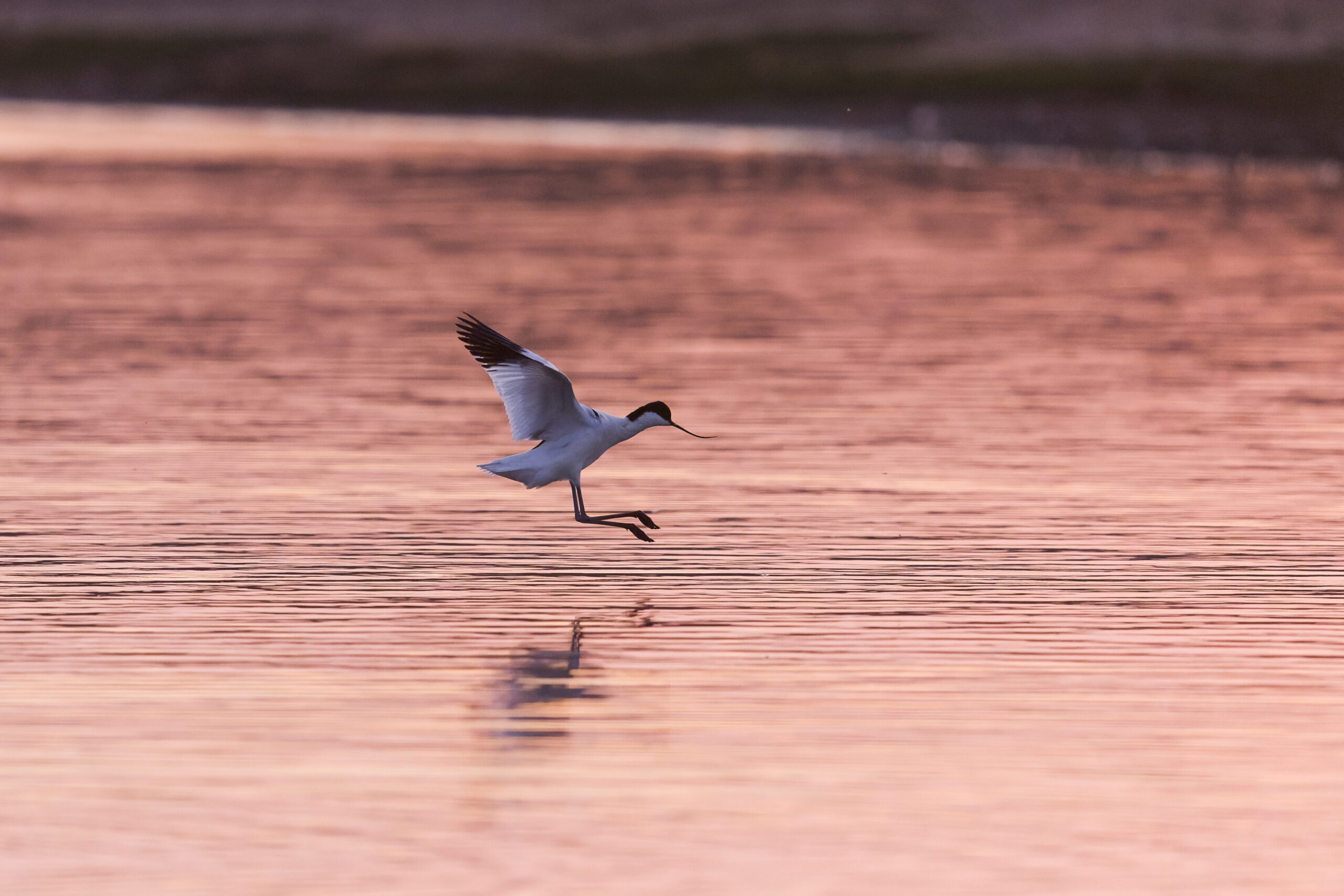
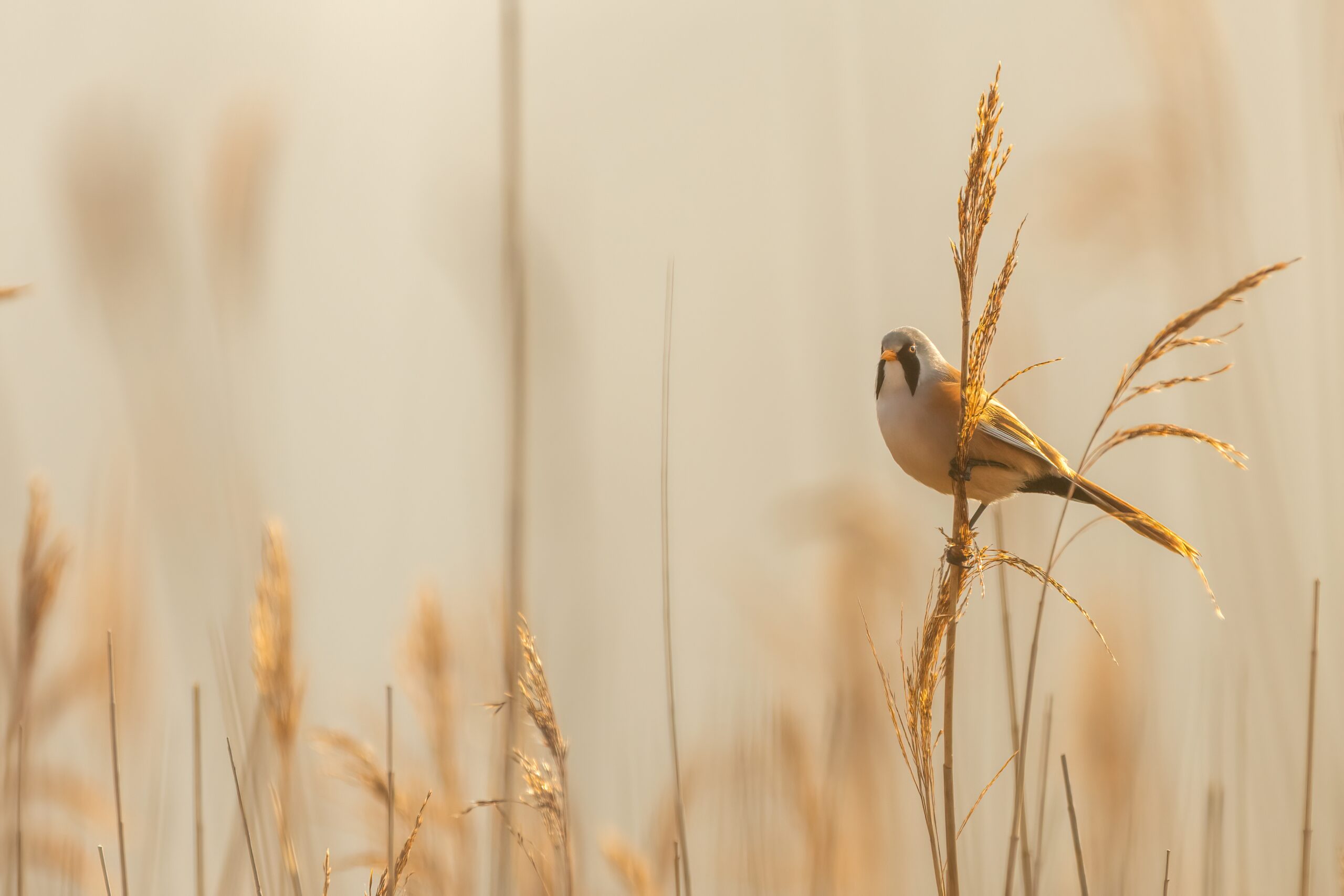
The reserve is known for its avocets, marsh harriers, bitterns, and bearded tits, and attracts more than 200 recorded species every year. It’s sometimes called the Wembley of birdwatching, and the ranking backs that up. If you’re going to one RSPB reserve this year, make it this one.
Holiday cottages in Suffolk put you within easy reach of Minsmere and several other top-ranked reserves in the county.
#2 Lakenheath Fen, Suffolk
Just a few miles from Minsmere – and almost as good. Lakenheath Fen records the same 445 species, the same 29 globally endangered birds, and scores identically for accessibility and family-friendliness.
The key difference is the number of hides: four here versus Minsmere’s nine. For anyone who has visited Minsmere during peak season and found it busy, Lakenheath Fen is an excellent alternative. Same quality of wildlife, considerably fewer people.
#3 Dungeness, Kent
Dungeness takes third overall – and first place for serious bird enthusiasts. At first glance, the reserve is an unlikely wildlife haven: a vast expanse of shingle on the Kent coast, flat and exposed, sitting in the shadow of a nuclear power station. But that’s exactly what makes it special.
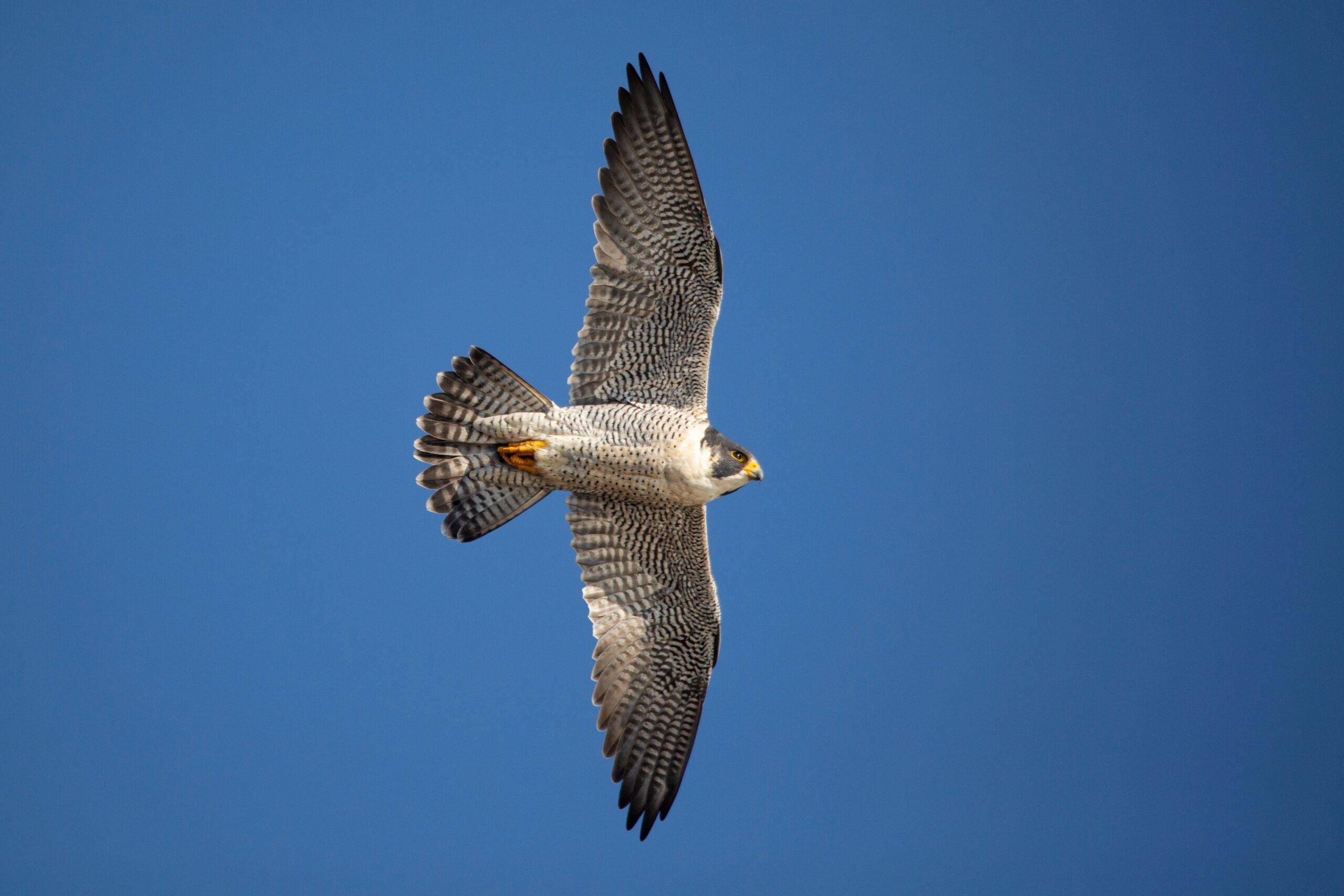
The reserve records 461 species – the highest of any site in England – and has 12 hides, more than anywhere else in the study. Its position on the English Channel means it catches huge numbers of passage migrants, making it one of the most dynamic birdwatching sites in the country. If you want to see something unexpected, Dungeness is where it tends to show up.
#4 Frampton Marsh, Lincolnshire
Frampton Marsh sits on the Lincolnshire coast near Boston and records the second-highest rarity score in the study: 30 globally endangered bird species. That puts it above almost every reserve in Scotland, above every reserve in Norfolk, and above Minsmere itself on the rarity metric alone.
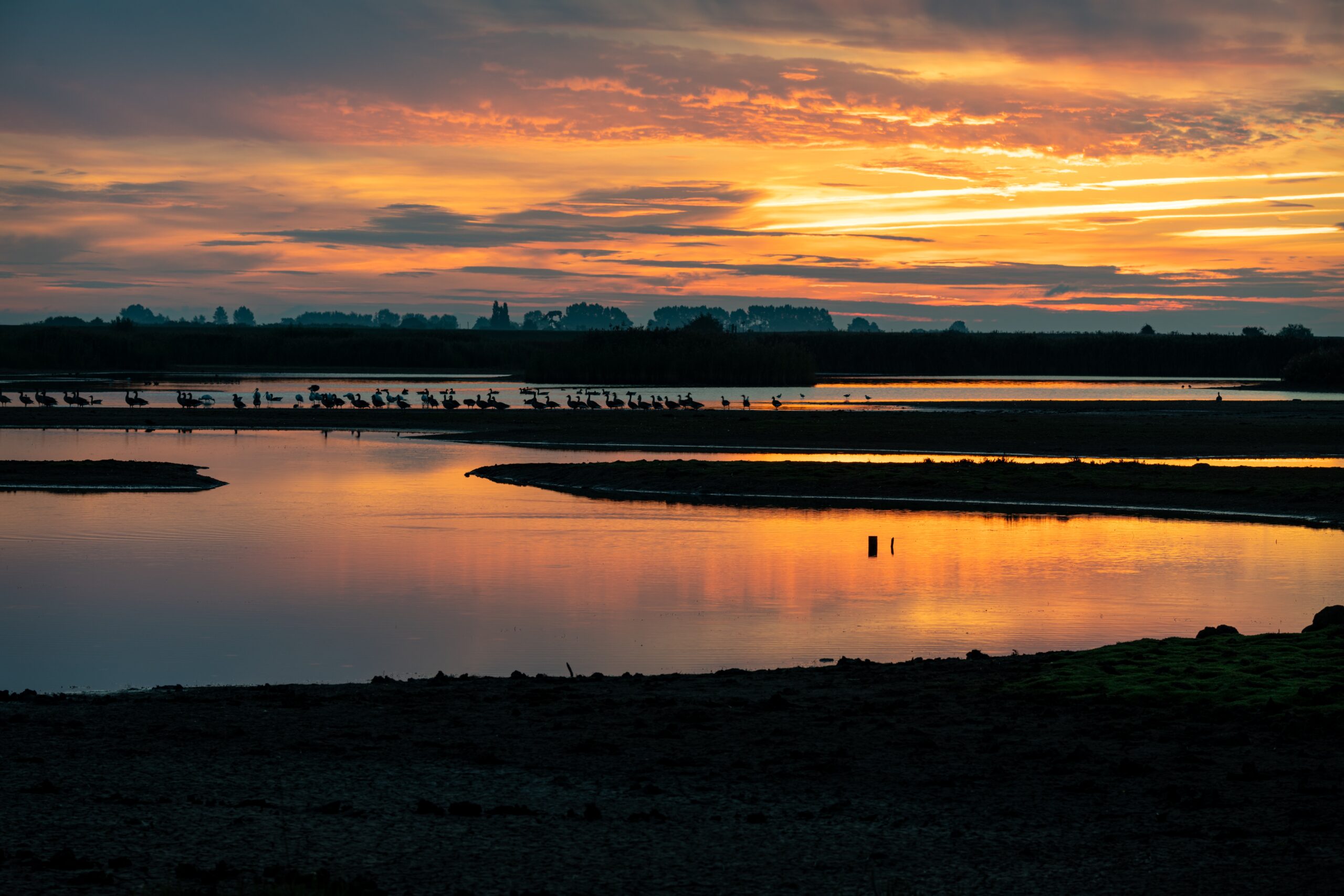
It’s a salt marsh reserve – a wide-open coastal habitat that draws waders, wildfowl, and raptors in enormous numbers, particularly in winter. Not the most famous reserve on this list, but the data makes a compelling case for it.
#5 Saltholme, County Durham / Blacktoft Sands, East Riding of Yorkshire (joint)
Two reserves share fifth place. Saltholme, on Teesside, scores top marks for family-friendliness and ranks third nationally in our family-specific rankings. It records 425 species and 26 globally endangered birds. For families looking for a birdwatching day out in the north of England, the data says this is your reserve.
Blacktoft Sands in the East Riding of Yorkshire shares fifth place on the same composite score, with 435 species and the same family-friendly and accessibility credentials. The Humber Estuary creates ideal conditions for waders and wildfowl year-round.
The Best RSPB Reserves for Families
The family-friendly ranking considers picnic areas, pushchair access, baby changing, and playground facilities alongside species abundance and rarity.
Top 5 most family-friendly RSPB reserves:
1. Minsmere, Suffolk (joint 1st)
1. Lakenheath Fen, Suffolk (joint 1st)
3. Saltholme, County Durham
4. Frampton Marsh, Lincolnshire
5. Dungeness, Kent
Suffolk takes the top two places, and the data confirms what a lot of families already know: the county’s reserves are as good for children as they are for birds. But the surprise is Saltholme at number three – a Teesside reserve that scores top marks on every family measure, comfortably ahead of reserves in Norfolk, Cornwall, and the Highlands.
Families visiting Norfolk will find Titchwell Marsh and Strumpshaw Fen both well within reach, with strong family facilities and excellent species counts.
The Most Accessible RSPB Reserves in the UK
For this ranking, we double-weighted the accessibility criteria – wheelchair access, guide dog welcome, and accessible toilet provision – to give a more accurate picture of which reserves genuinely prioritise accessibility.
Species abundance and rarity were still factored in still, but the reserve’s actual accessibility provision counted for twice as much in the final score.
Top 5 most accessible RSPB reserves:
1. Sumburgh Head, Shetland
2. Minsmere, Suffolk (joint 2nd)
2. Lakenheath Fen, Suffolk (joint 2nd)
2. Flatford Wildlife Garden, Suffolk (joint 2nd)
5. Dungeness, Kent
The headline finding here is Sumburgh Head in Shetland – the most geographically remote reserve in the study, and yet the most accessible. It scores top marks across all three accessibility criteria, and Shetland’s reserves also record more bird species (495) than anywhere else in the UK, meaning visitors aren’t trading wildlife quality for accessibility.
On top of that, the RSPB has invested in a wheelchair-accessible viewing platform and blue badge parking directly beside it, making those dramatic seabird colonies genuinely reachable for every visitor.
All staff at Sumburgh Head also undergo disability awareness training – a detail that speaks to how seriously the reserve takes accessibility, not just as an infrastructure question but as a visitor experience one.
There is a range of accessibility-friendly properties to rent in Shetland for those eager to explore the birdwatching scene here.
Suffolk takes three of the remaining top-five spots, reinforcing its position as the most well-rounded birdwatching county in the UK.
The Best RSPB Reserves for Serious Twitchers
The ‘enthusiast ranking’ prioritises species abundance, globally endangered species, and the number of hides and viewpoints – the factors that matter most to dedicated birdwatchers.
Top 5 best RSPB reserves for bird enthusiasts:
1. Dungeness, Kent
2. Cliffe Pools, Kent
3. Minsmere, Suffolk
4. North Warren, Suffolk (joint 4th)
4. Marazion Marsh, Cornwall (joint 4th)
Kent comes out on top for the serious birder. Dungeness and Cliffe Pools both benefit from Kent’s extraordinary species count (461 per site), their coastal position attracting passage migrants that rarely make it further inland. For serious twitchers, there are plenty of Kent properties to rent nearby during your birdwatching tour.
The real surprise is Marazion Marsh in Cornwall at joint fourth – the smallest reserve in the top five, but the site with the highest rarity score of any in the entire study: 31 globally endangered species. Holiday cottages in Cornwall make Marazion Marsh an easy base, and the reserve’s position near Penzance means it catches a huge variety of rare western visitors.
Shetland’s reserves don’t feature in the enthusiast top five only because their remoteness limits hide infrastructure – but if you’re willing to travel, the species counts at Sumburgh Head (495) are unmatched anywhere in the UK. Shetland.org has more on birdwatching across the islands.
FAQs: Birdwatching in the UK
What is the best RSPB reserve in the UK?
Minsmere in Suffolk ranks first in our study, scoring highly across all six criteria: species abundance, rarity, hides and viewpoints, facilities, accessibility, and family-friendliness. It records 445 bird species and 29 globally endangered species, and has nine hides. For an all-round experience, nothing else comes close.
Which RSPB reserve has the most bird species?
Shetland’s reserves record 495 bird species each – the highest of any location in the study. Sumburgh Head, Fetlar, Mousa, and Loch of Spigge all hit this figure. In England, Kent’s reserves record 461 species per site, the highest of any English county.
Where is the best birdwatching for families in the UK?
Minsmere and Lakenheath Fen in Suffolk tie for first in our family-friendly ranking, both scoring top marks across all family facilities. Saltholme in County Durham ranks a surprise third nationally, scoring perfectly on all family measures and offering an excellent experience for children in the north of England.
What is the most accessible birdwatching reserve in the UK?
Sumburgh Head in Shetland scores top marks for accessibility – wheelchair access, guide dogs welcome, and accessible toilets – making it the top-ranked accessible reserve in the study. Several Suffolk reserves tie for second, including Minsmere and Lakenheath Fen.
Where in the UK are the rarest birds?
Marazion Marsh in Cornwall records the highest number of globally endangered bird species of any RSPB reserve in our study: 31. Hayle Estuary and North Hill in Cornwall share that score. For rare bird sightings, Cornwall outperforms Scotland, Norfolk, and Suffolk in our rankings.
Is UK birdwatching worth a dedicated trip?
Yes – the best RSPB reserves offer experiences that are genuinely world-class. From Shetland’s seabird colonies to the passage migrants at Dungeness, Britain’s birdwatching is as good as anywhere in Europe, and the network of reserves means there are excellent spots within reach of almost every part of the country.
Planning a Birdwatching Holiday
The reserves in our top rankings sit in some of the most beautiful parts of the UK – and most of them are within easy reach of a self-catering cottage.
Whether you’re based in Suffolk for Minsmere and Lakenheath Fen, Norfolk for Titchwell and Strumpshaw Fen, or Cornwall for Marazion Marsh and Hayle Estuary, Independent Cottages has properties close to the reserves that matter.
Search for a cottage near your reserve of choice and plan your birdwatching break.
Methodology
Our team at Independent Cottages compiled a list of every RSPB nature reserve across the UK and analysed each one across six criteria:
- Abundance – the number of diverse bird species recorded on site, as a measure of overall wildlife richness.
- Rarity – the number of globally endangered species recorded, reflecting the reserve’s importance for conservation.
- Experience – the number of hides and dedicated viewpoints, reflecting how well each reserve supports active birdwatching.
- Facilities – scored out of four: café or refreshments, toilets, binocular hire, and parking.
- Accessibility – scored out of three: wheelchair access, guide dogs welcome, and accessible toilets.
- Family-friendliness – scored out of four: picnic area, pushchair access, baby changing, and playground.
Each reserve was ranked on all six criteria individually. Those rankings were then combined into a composite score, with the lowest overall score indicating the best performance across all factors. Reserves where a complete dataset was not available were excluded from the study.
The family-friendly, accessibility, and bird enthusiast rankings use a subset of the above criteria, weighted accordingly to reflect what matters most to each type of visitor.
Data is correct as of June 2026.